Clear answers
Kisspeptin questions with the short answer first
Cancer research revealed this protein. Later studies tested its hormone effects, and these answers explain what held up.
What does Kisspeptin start in your body?
Kisspeptin tells brain cells to send out a starter hormone in short bursts. That begins the hormone chain tied to puberty and fertility.
The next hormones help make your testosterone, sperm, and mature eggs. People born without a working docking place for kisspeptin don’t go through puberty [1].
Does Kisspeptin raise testosterone?
In a small study, kisspeptin-10 raised testosterone in healthy men. A dose of 1 microgram per kilogram had its strongest effect on the hormone that prompts testosterone after 30 minutes [3].
A higher drip used 4 micrograms per kilogram each hour and also raised testosterone. That short visit can’t prove a lasting benefit for you.
How much did Kisspeptin change testosterone?
In one fair test, kisspeptin-10 raised men’s testosterone by about 45% [3]. The drip ran at 4 micrograms for each kilogram each hour.
These were short blood-test changes while medical staff watched. They aren’t a target for you or proof of a treatment.
How soon did Kisspeptin change a blood test?
The change came quickly in healthy men given kisspeptin-10. After 1 microgram per kilogram went into a vein, the hormone that prompts testosterone peaked 30 minutes later [3].
Nasal kisspeptin-54 also raised that hormone soon after use [6]. Neither result tells how long you might feel any change.
Can Kisspeptin restart testosterone during replacement treatment?
Researchers haven’t tested kisspeptin to restart a man’s own testosterone during testosterone replacement treatment. They have shown only a short rise in healthy men [3].
That leaves an open question for you and your doctor. Kisspeptin has no approved use for this purpose [7].
Was Kisspeptin-10 tested after a stretch of steroid use?
No controlled study has tested kisspeptin-10 after repeated anabolic steroid use, meaning steroids taken to build muscle. Interest comes from a short study where healthy men had hormone rises [3].
Repeat use can make the hormone reply fade [16]. Kisspeptin remains unapproved for your care [7].
What is Kisspeptin?
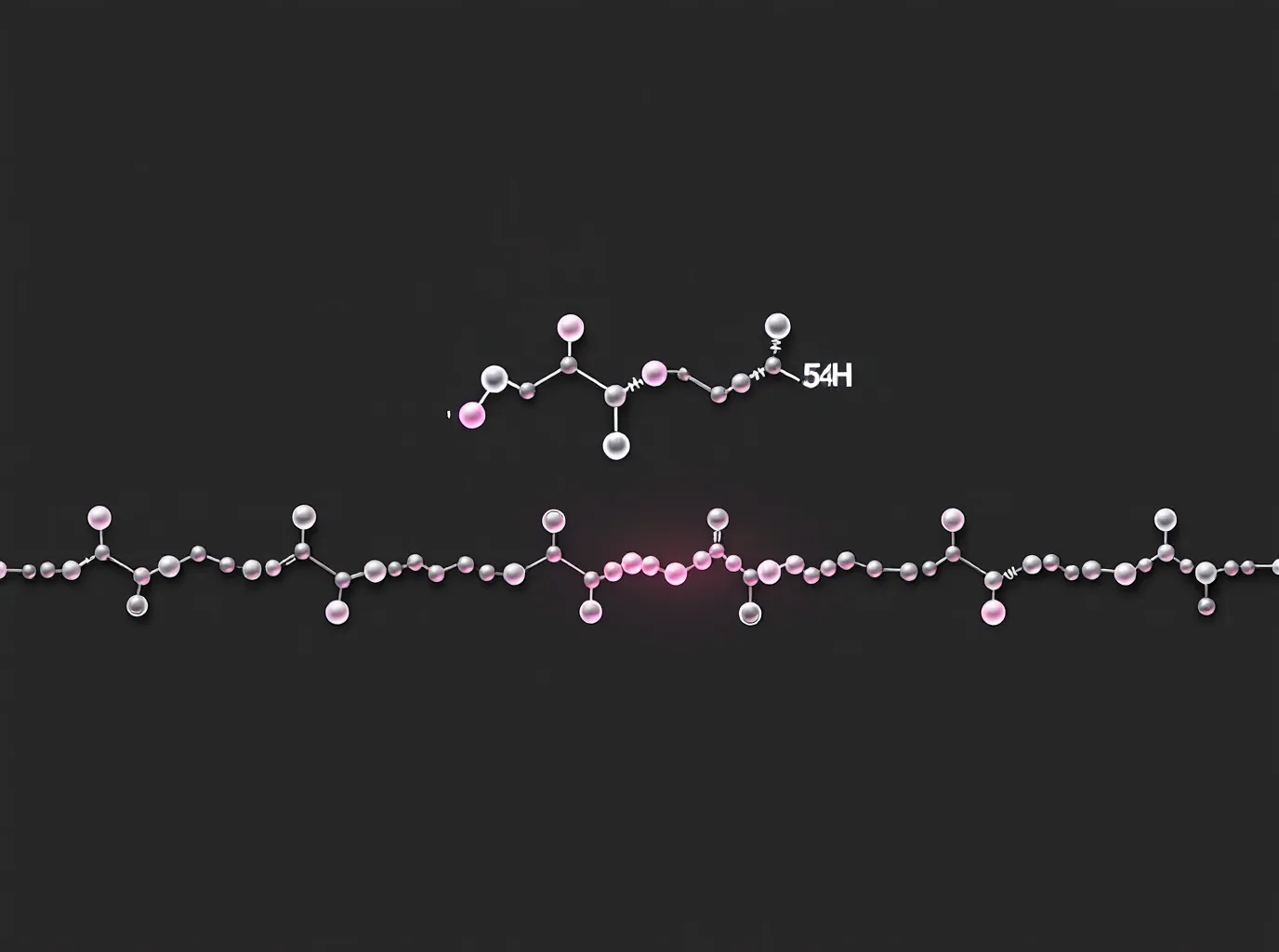
Kisspeptin is a small protein made mostly in the brain from instructions in a gene. Researchers study a long form, kisspeptin-54, and a short form, kisspeptin-10.
Both forms dock on the same brain cells and start release of a starter hormone [1]. That begins your body’s sex-hormone work.
What health questions do researchers ask with Kisspeptin?
Researchers use kisspeptin to study puberty, low sex hormones, missed periods, fertility care, and sexual desire. It also shows whether certain brain cells can still start a hormone rise [4][5].
A broad review counted 29 human trials [7]. None has given you or your doctor an approved kisspeptin medicine.
Can Kisspeptin help eggs mature?
In one watched fertility study, kisspeptin-54 helped eggs mature in 95% of women at high risk of painful ovary swelling and fluid buildup after their fertility care. No moderate, severe, or critical case occurred [5].
The highest live-birth rate was 62%. These findings came from research, not approved fertility care for you.
Can Kisspeptin restart egg release after missed periods?
A small study tested women whose periods had stopped because their brains weren’t sending regular hormone calls. Kisspeptin-54 restored more bursts of the hormone that helps release eggs across 8 hours [4].
The highest amount lost force during the test. Kisspeptin isn’t approved care for your missed periods.
What changes between Kisspeptin-10 and Kisspeptin-54?
Kisspeptin-54 is the long form and lasts about 27 to 28 minutes in blood. Kisspeptin-10 is shorter and lasts about 4 minutes [8].
Healthy men had a similar hormone reply to both forms at matching rates [10]. Both start the same brain step in your body.
What does the gene for Kisspeptin do?
A gene is a set of body instructions passed down in families. The gene for kisspeptin sits on chromosome 1 and tells the body how to make the protein.
Researchers found it in 1996 while studying melanoma, then tied it to puberty in 2003 [1]. In cancer studies, this gene was also linked with slower spread [13].
Why do old papers use another name for Kisspeptin?
The first cancer researchers gave kisspeptin-54 another name because its gene helped slow cancer spread [13]. Later hormone studies used the name kisspeptin.
Both names mean the long form with 54 protein pieces. Knowing that helps you follow older papers without learning another drug.
How did researchers find Kisspeptin?
Researchers found the kisspeptin gene in 1996 while studying cancer spread in melanoma. The name nodded to Hershey, Pennsylvania, and its Kisses.
Around 2001, they found the docking place on a cell that kisspeptin fits. In 2003, broken copies of that docking place were tied to missed puberty [1].
Where does Kisspeptin dock on a cell?
Kisspeptin docks on the outer wall of brain cells that make the starter hormone. A broken docking place can keep puberty from starting [1].
Normal docking moves stored calcium inside the cell. That move makes the cell fire and release the starter hormone [2].
How does Kisspeptin begin the hormone steps?
Kisspeptin docks on brain cells and moves stored calcium inside them [2]. The calcium change makes the cells fire short hormone bursts.
The small gland below your brain answers by sending out two more hormones. Those hormones then act on your testes or ovaries.
How long does Kisspeptin stay active?
The time depends on the form. Kisspeptin-54 stays active for close to half an hour in people [8].
Kisspeptin-10 lasts about 4 minutes because blood breaks it down faster than kisspeptin-54. That gap helps explain how researchers plan short tests you may read.
What does Kisspeptin-10 make a brain cell do?
Kisspeptin-10 docks on a set place on brain cells. This moves stored calcium and makes the cells release a starter hormone in bursts [2].
That starter hormone leads to two more hormones. In healthy men, the short form raised the one that prompts testosterone, then testosterone itself [3].
How can stress quiet Kisspeptin?
Stress hormones can quiet brain cells that make kisspeptin [14]. Fewer starter-hormone bursts may slow the chain tied to sex hormones and egg release.
In women with missed periods, kisspeptin and the next hormone bursts still came close together [15]. That link doesn’t prove kisspeptin would restore your cycle.
How might Kisspeptin lower a serious fertility-care risk?
Kisspeptin-54 starts your body’s own short rise in the hormone that helps release eggs. A pregnancy hormone often used in fertility care lasts longer, which may raise the risk of painful ovary swelling.
In 60 high-risk women, kisspeptin-54 helped eggs mature in 95% [5]. No moderate, severe, or critical case of the swelling occurred.
Did Kisspeptin-54 make fertility care safer?
A trial gave kisspeptin-54 to women at high risk of painful ovary swelling during fertility care. Eggs matured in 95%, and no moderate, severe, or critical case occurred [5].
The highest live-birth rate was 62%. The small test does not establish approved fertility care with kisspeptin; a clinician's prescription decision cannot stand in for that evidence.
Did Kisspeptin help women whose periods had stopped?
A small study found more timed hormone bursts after women without periods received kisspeptin-54 [4]. The highest amount began to lose force.
Another study found that kisspeptin and the next hormone bursts stayed close in time [15]. The findings do not establish an approved kisspeptin treatment for missed periods, even when a clinician considers prescription care.