The protein and its role
What Is Kisspeptin? A starter for hormone work
Cancer researchers found this protein first. Later studies showed that it helps the brain begin puberty and sex-hormone work.
What Kisspeptin is and what it starts
Cancer researchers found kisspeptin while asking why cancer spreads. Later, they learned that your brain makes this small protein to start a chain of hormones.
Kisspeptin comes in several lengths. Two forms used in studies are kisspeptin-54 and the shorter kisspeptin-10.
Both forms dock on the same brain cells. This tells those cells to release a starter hormone.
The small gland below your brain then sends out two more hormones. One prompts testosterone and egg release, while the other helps sperm and eggs grow.
Kisspeptin isn’t itself a sex hormone. It starts the steps that lead your body to make those hormones.
It also isn’t a vitamin, supplement, or approved drug. No clinic has an approved kisspeptin medicine to offer.
When I first met the name, its job wasn’t clear. The next sections follow what your body does with it.
What your body uses to make Kisspeptin
A gene is a set of body instructions you inherit. The kisspeptin gene sits on chromosome 1.
Your body first makes a long protein with 145 amino acids, the small pieces that build proteins. Then it cuts that protein into shorter working forms.
One form has 54 pieces, and another has 10. The short one is called kisspeptin-10.
Both forms end with the same small part. That shared end lets each form dock on the right brain cell.
Two small groups of brain cells make most kisspeptin. The placenta and sex glands make it too.
That docking step is vital for puberty. When the cell’s docking place is broken, puberty doesn’t begin [1].
What Kisspeptin makes a brain cell do
Kisspeptin docks on brain cells that make the starter hormone. The docking place sits on the outside wall of each cell.
Docking makes stored calcium move inside the cell [2]. That calcium move opens some tiny gates and closes others.
Charged salts then cross the cell wall, creating a small electric change. The change makes the brain cell fire and release a hormone burst.
The small gland below your brain answers that burst by sending out two more hormones. Those hormones carry the work to your testes or ovaries.
Other brain cells set the timing of each burst. Kisspeptin passes that timed order to the cells that release the starter hormone.
What differs between Kisspeptin-54 and Kisspeptin-10
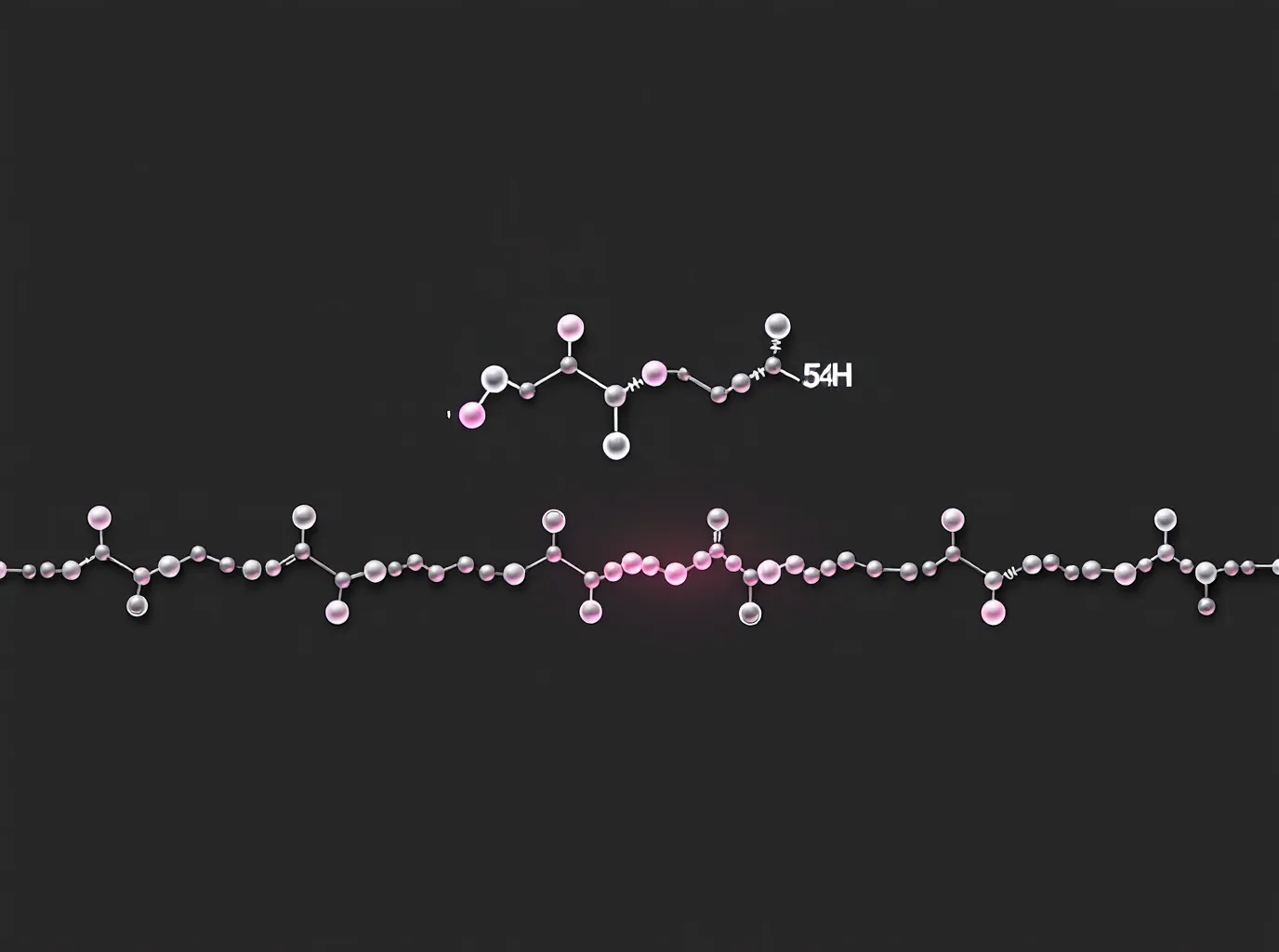
The two study forms differ mainly in length and time in the blood. Kisspeptin-54 once had another name during cancer-spread work [13].
Its blood level falls by half in about 27 to 28 minutes [8]. Kisspeptin-10 lasts about 4 minutes.
Even with that time gap, both can start the same hormone chain. Healthy men had much the same reply when both forms were given at matching rates [10].
Both names in old papers refer to the long form with 54 protein pieces. Knowing that can keep you from mistaking them for different drugs.
Why Kisspeptin supplement is a misleading name
The phrase “kisspeptin supplement” gives the wrong idea. Kisspeptin isn’t a nutrient, vitamin, or approved medicine.
Human studies used carefully made kisspeptin while medical staff watched. People received it by a shot, vein drip, or nasal spray.
Those were called Phase 1/2 studies, meaning early tests of safety and body response. No regulator has approved kisspeptin for any use [7].
A research vial may hold the wrong drug, strength, or level of cleanliness. It hasn’t had the checks required for medicine.
The open questions matter to your choices. A study result doesn’t turn an unchecked vial into treatment.